 Travel Craft
If you're planning a trip to Japan, there's one place I highly recommend visiting even more than Tokyo, Kyoto, or Osaka—Yakushima.
This incredible island is a sanctuary for monkeys, deer, and sea turtles, and it holds the distinction of being Japan's first natural World Heritage site.
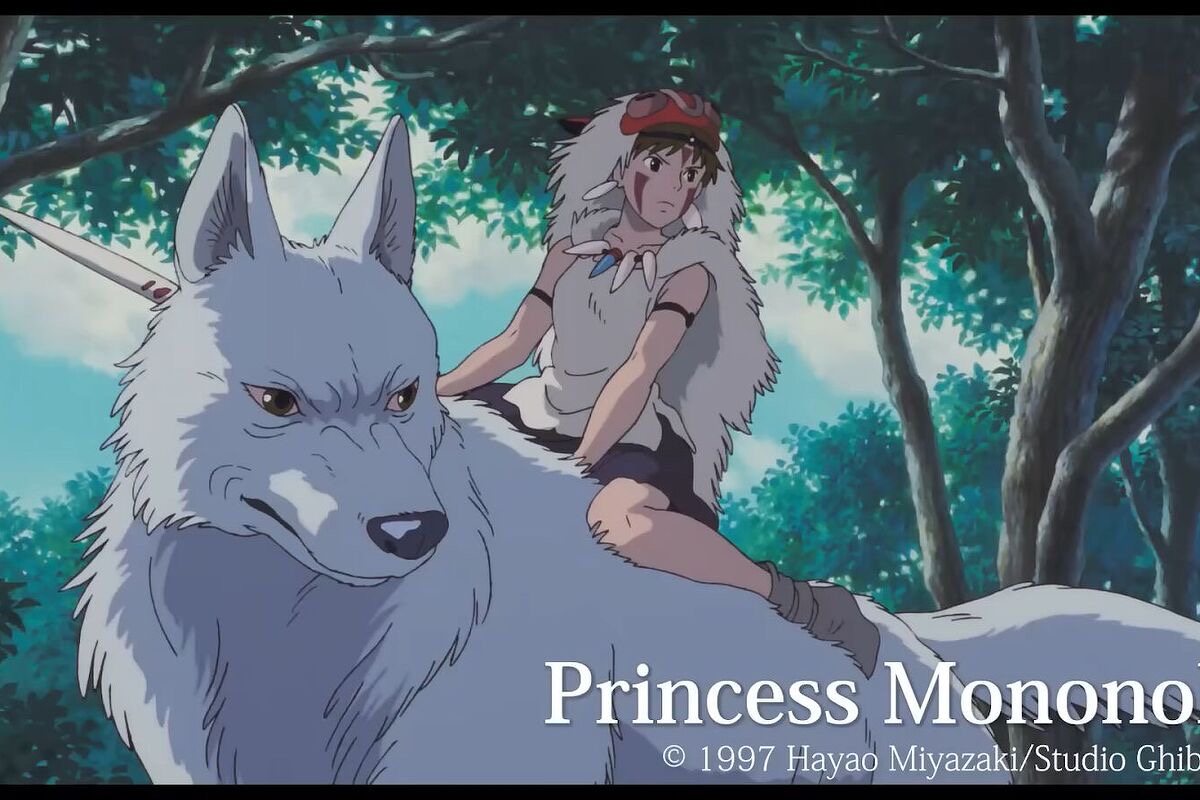
If you've ever seen Princess Mononoke, you might recognize the island's lush, ancient forests, which inspired the film.
I had the incredible opportunity to experience Yakushima on a recent tour, and I can’t wait to share this unforgettable journey with you!
Getting to Yakushima
There are several ways to get to Yakushima, but the most common route is to first travel to Kagoshima, then take either a plane or ferry from there.
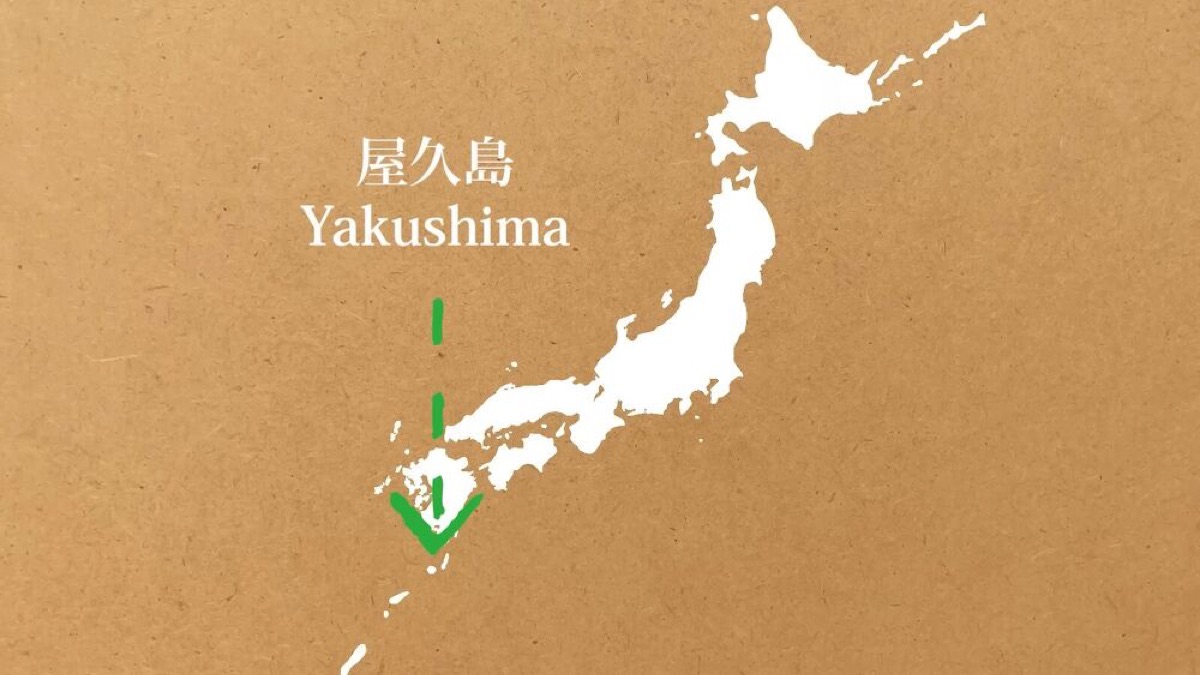
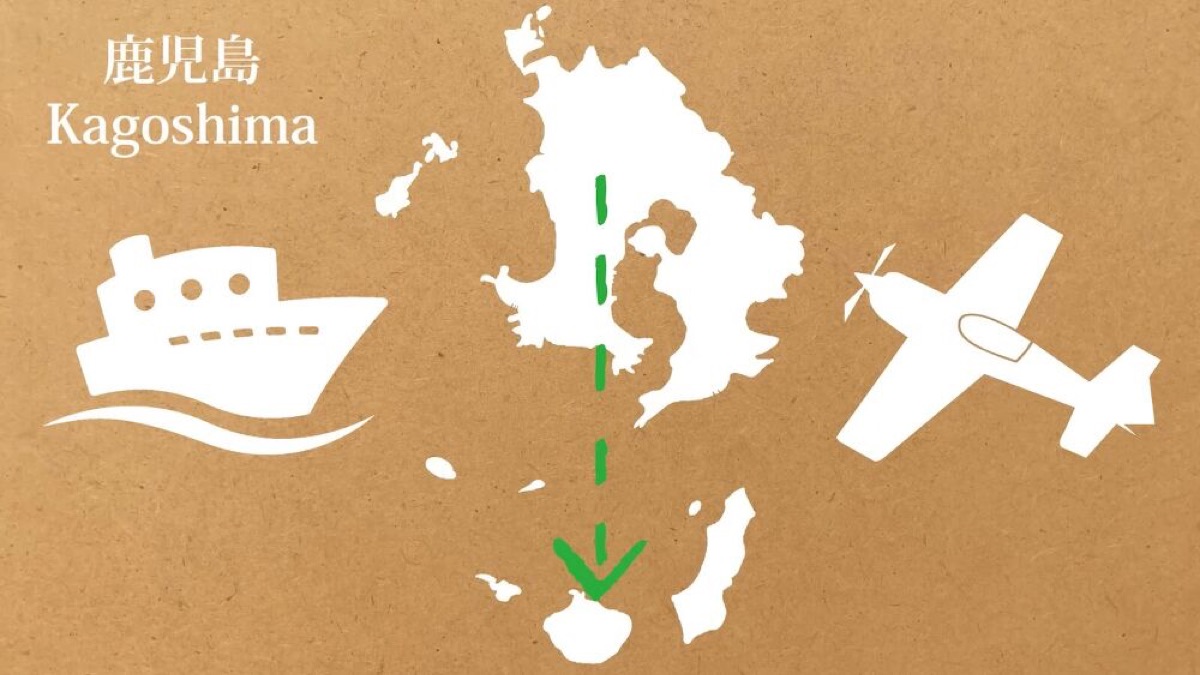
For me, the ferry was the chosen path. The excitement was real—but so was the anxiety. Why? Because this was actually my third attempt to get to Yakushima.

Twice before, our flights had been canceled due to bad weather, and even now, the weather could turn at any moment, forcing the ferry to turn back.
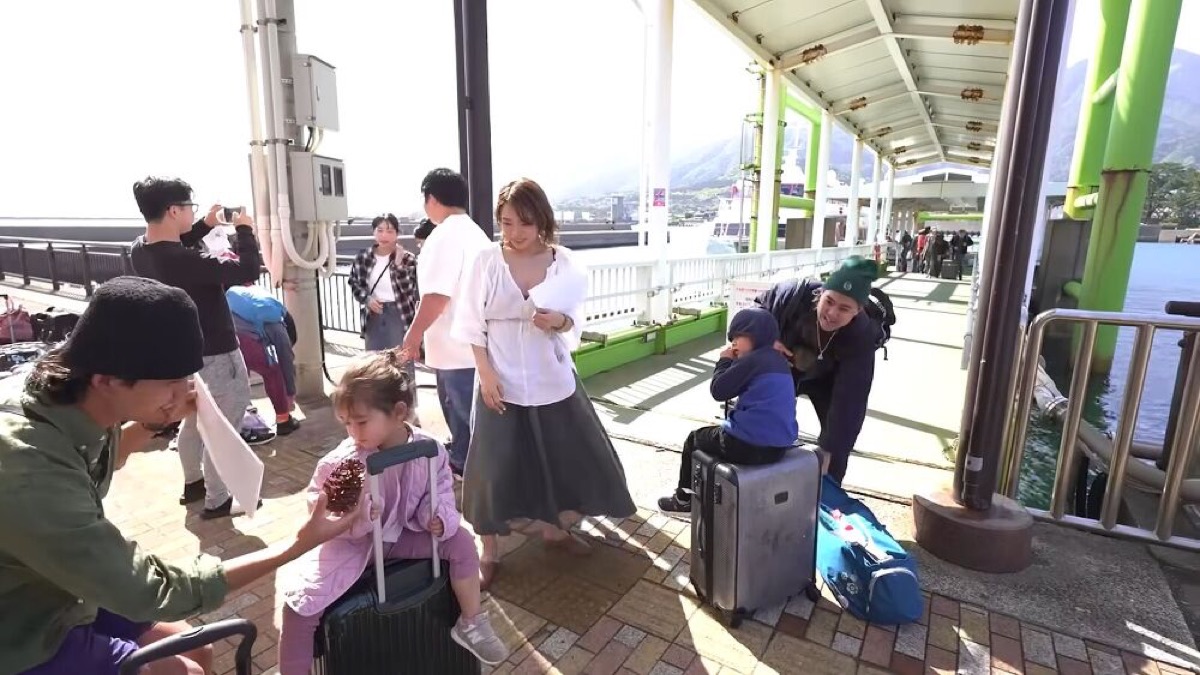
When we finally heard the announcement that we had arrived at Yakushima, relief washed over us. Our guides were there to greet us, and tears flowed as we realized they’d been waiting for us for four days. It was a deeply emotional moment, as I had never cried when meeting someone for the first time.
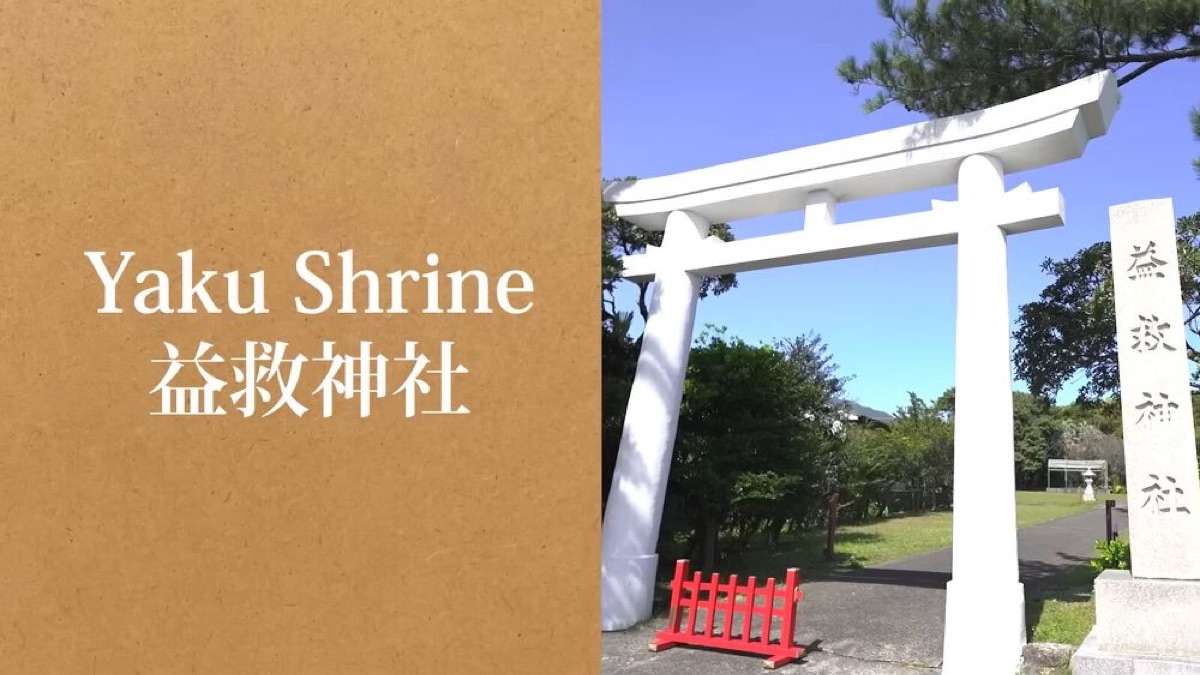
Yaku Shrine: The Heart of Yakushima
Our first stop on the tour was Yaku Shrine, the most important shrine on the island, with over 1,000 years of history. This is where you’ll want to greet the gods of Yakushima first.
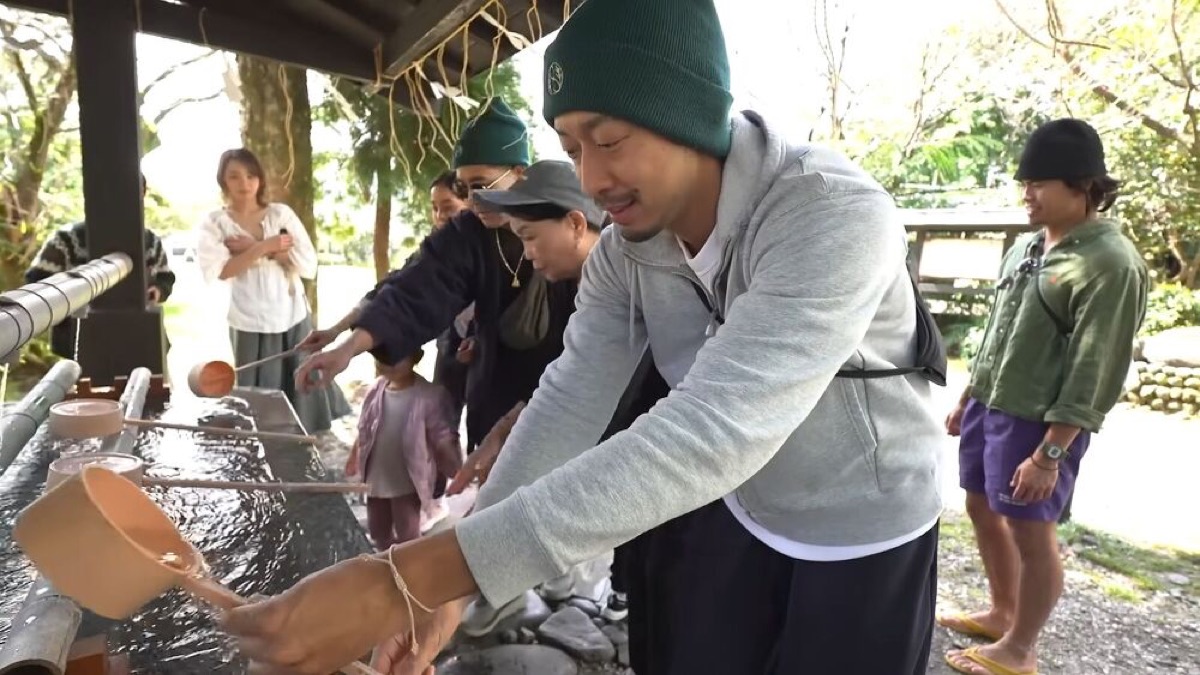
Here’s a little secret about shrines in Japan: They are not just religious buildings, but a representation of Shinto, Japan’s traditional religion that worships nature.
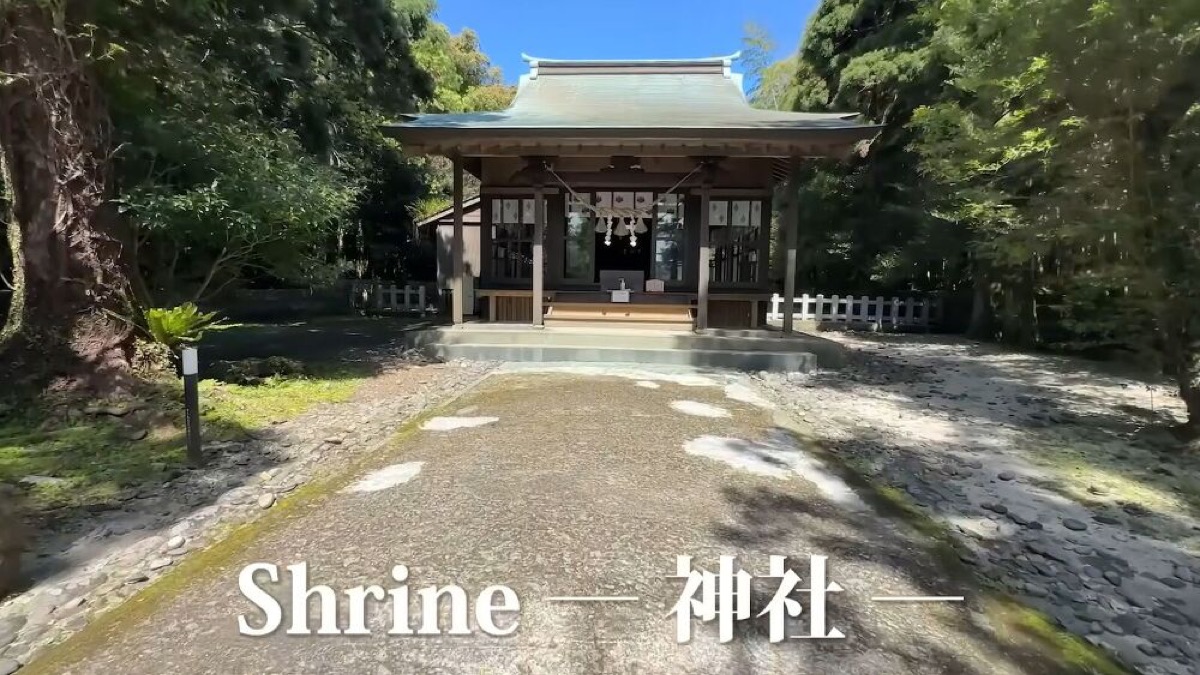
In Shinto, gods are believed to reside in everything—from mountains and seas to the smallest grains of rice.
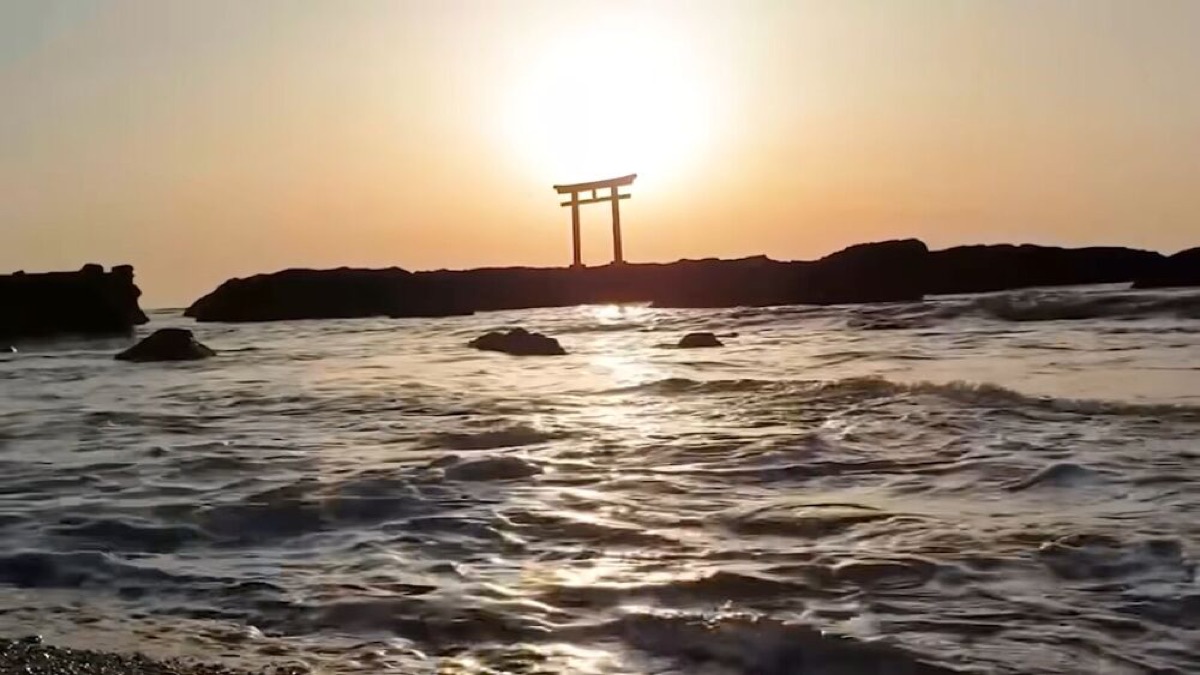
One unique feature of shrines is the mirror. Mirrors symbolize the gods and, interestingly, reflect ourselves.
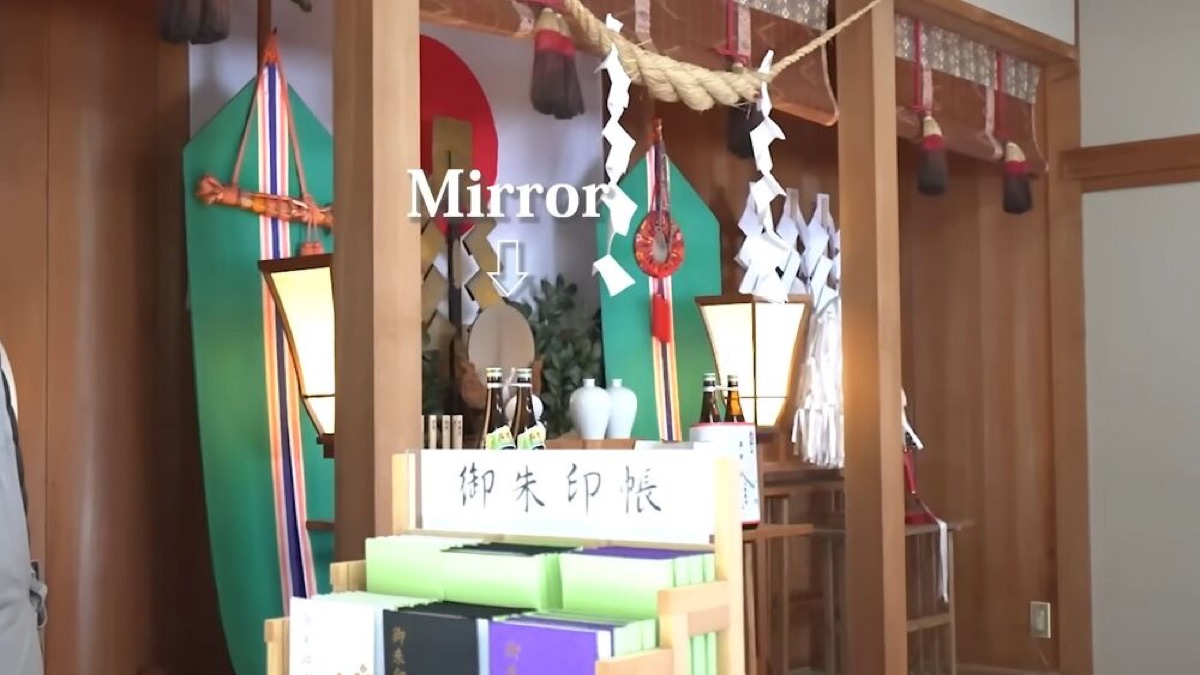
In fact, the Japanese word “kagami” (mirror) contains the character “kami,” meaning god. So, by removing your ego (the “ga” in “kagami”), you come closer to being one with the divine.
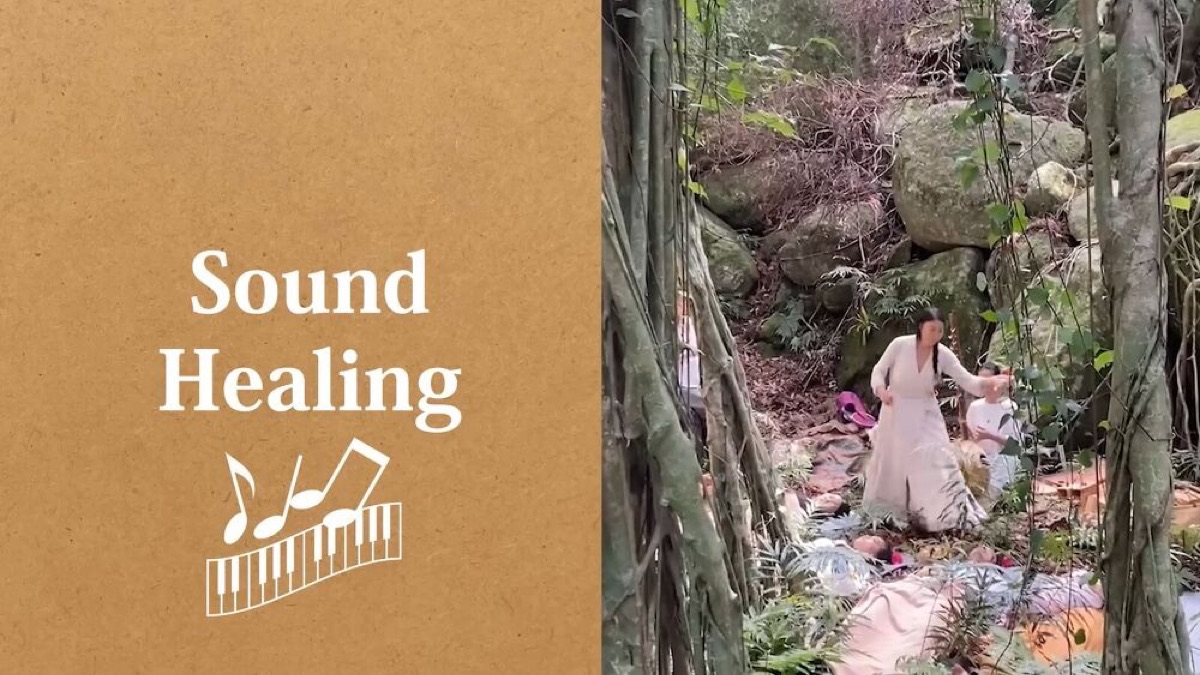
Sound Healing in the Wild
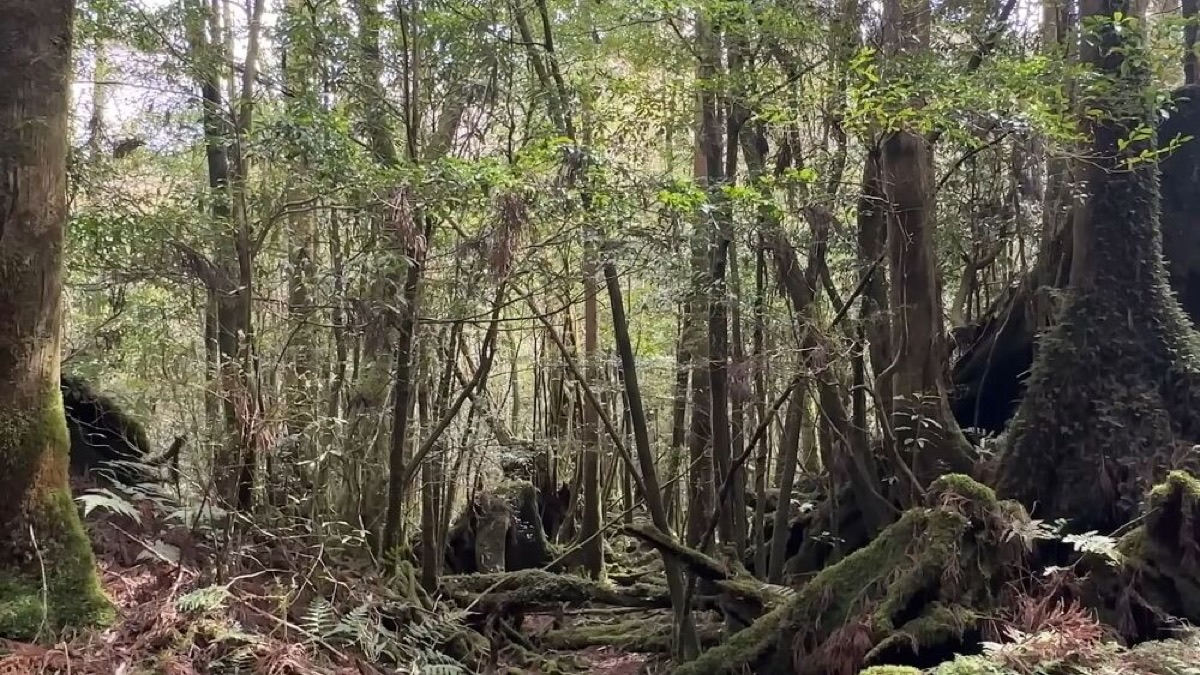
Next, we ventured deep into the forests of Yakushima, where the landscape felt like a scene from Planet of the Apes. The untouched nature surrounding us was beyond words.
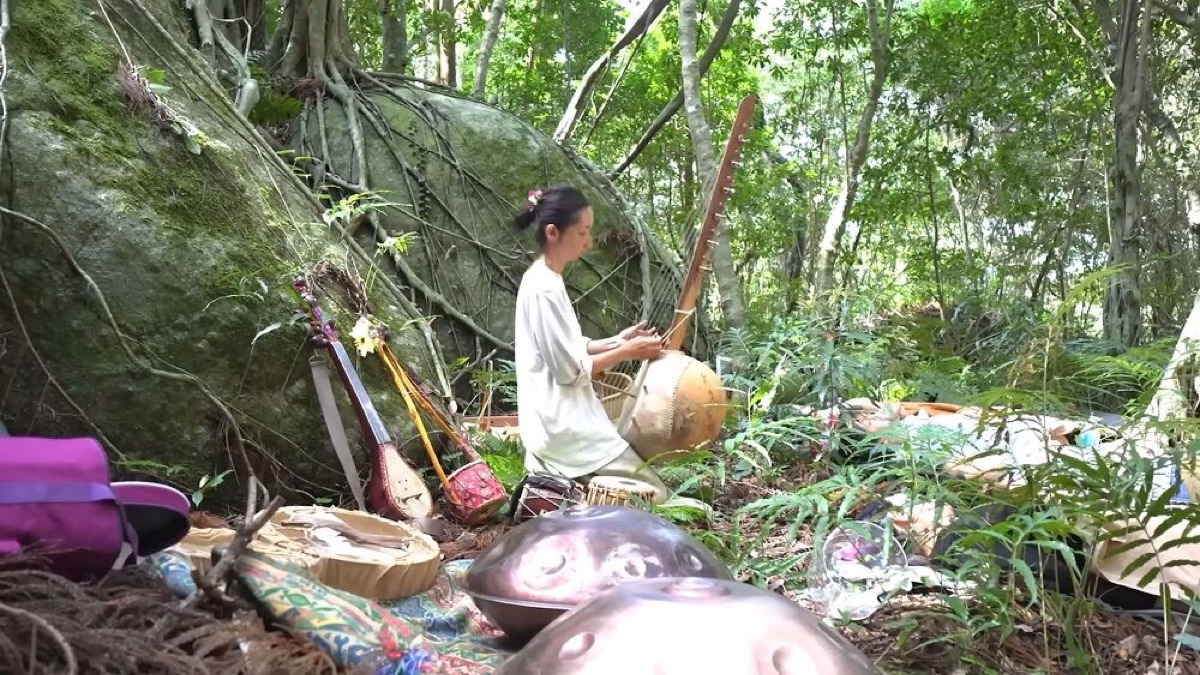
We found ourselves in an open space, surrounded by majestic trees and pure natural energy.
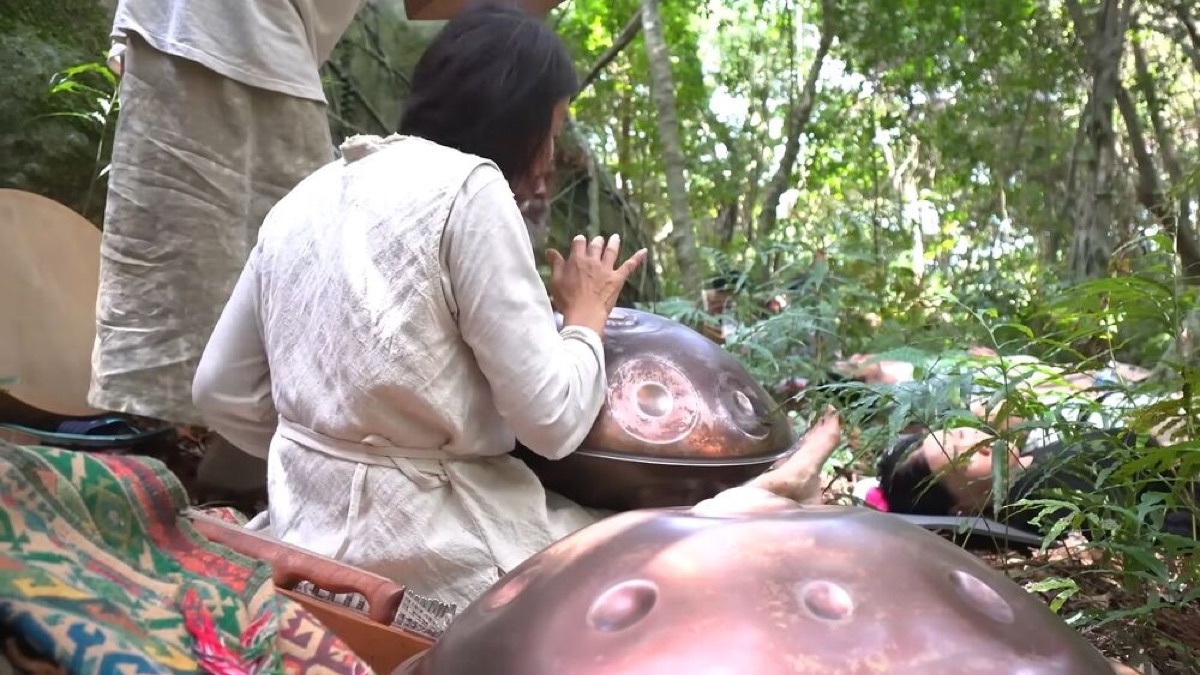
The guide led us in a sound healing session, playing calming music that felt like it was purifying my very soul.
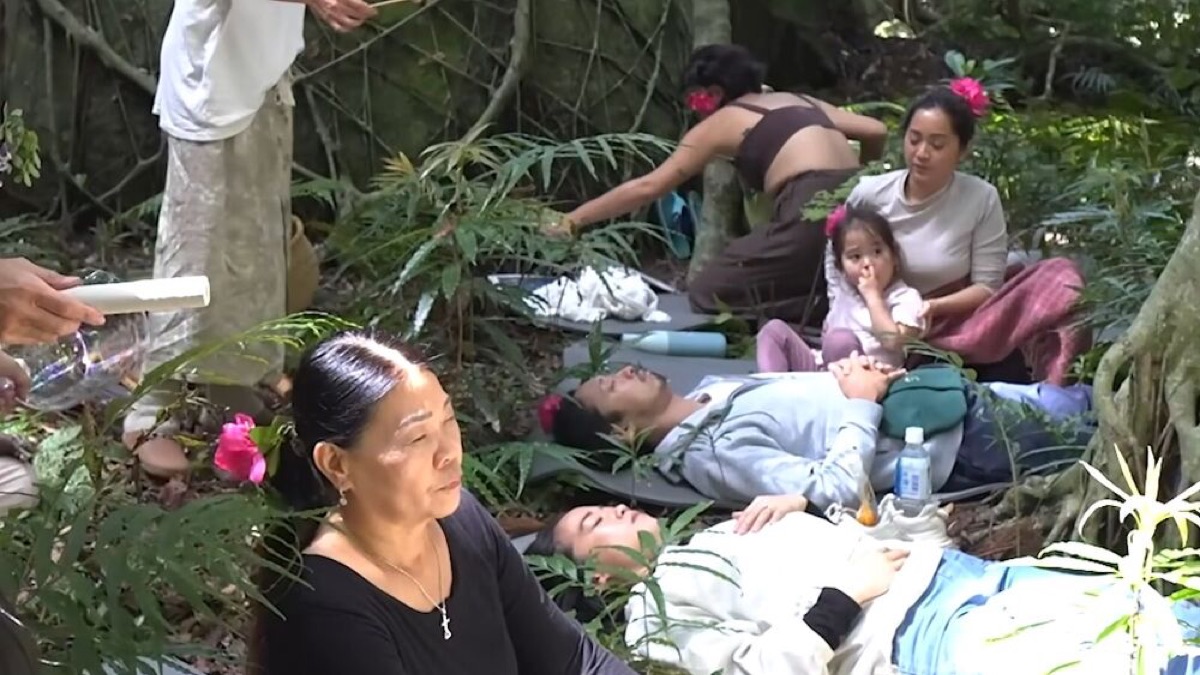
I felt so light and refreshed, almost like I was turning into steam.
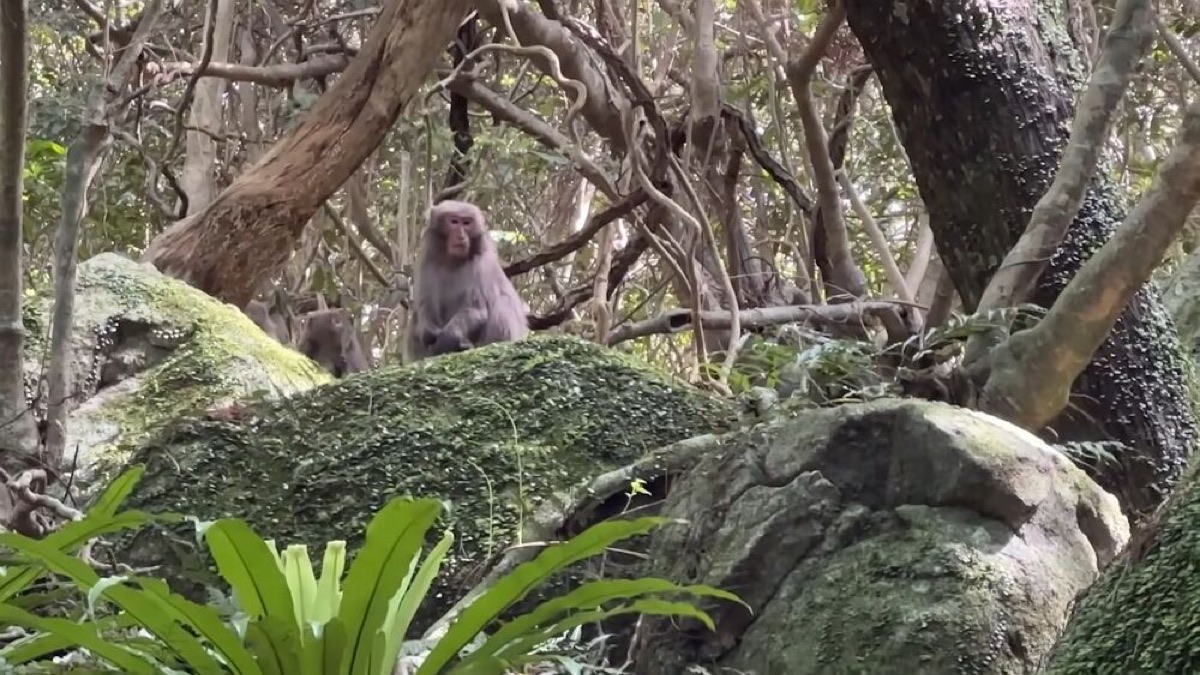
Even the monkeys seemed drawn to the peaceful vibes!
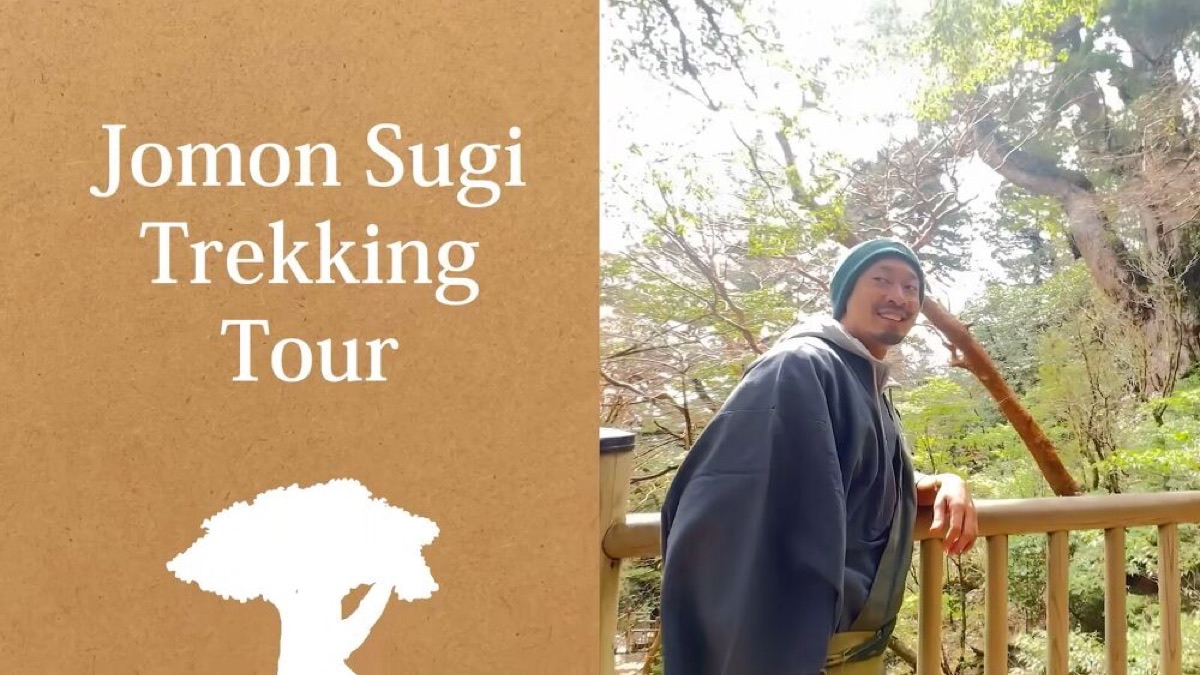
Trekking to Jomon Sugi
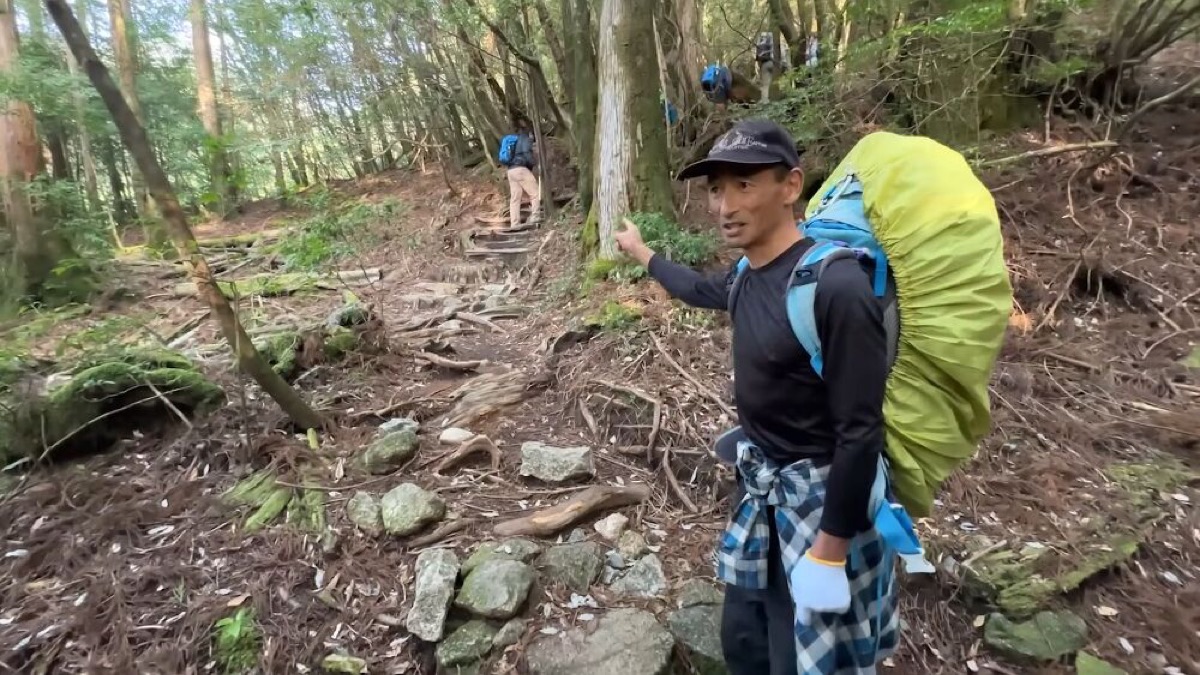
The next day, we embarked on a monumental trek to see Jomon Sugi, the island’s famous ancient cedar tree, estimated to be between 2,000 and 7,200 years old. Our guide, Shima-chan, provided us with some crucial advice: "Climb fast!"
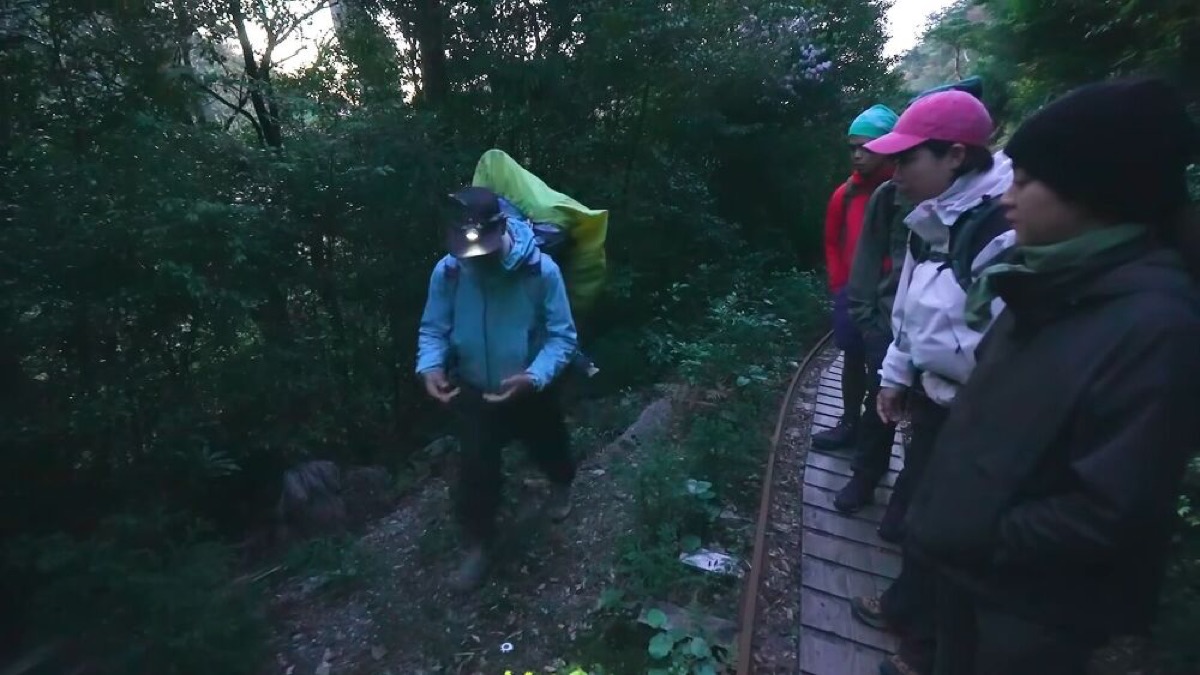
By making our way up quickly, we’d beat the crowds, ensuring we could take photos and enjoy the view without being surrounded by other trekkers. It was the perfect strategy, and we soon found ourselves at the awe-inspiring Jomon Sugi.
Reaching Jomon Sugi
When we finally reached Jomon Sugi, I was overwhelmed by its sheer size. Even though it was my third visit, the sight of this ancient giant never fails to amaze. It's one of those places you have to see at least once in your lifetime—it changes your perspective on life itself.
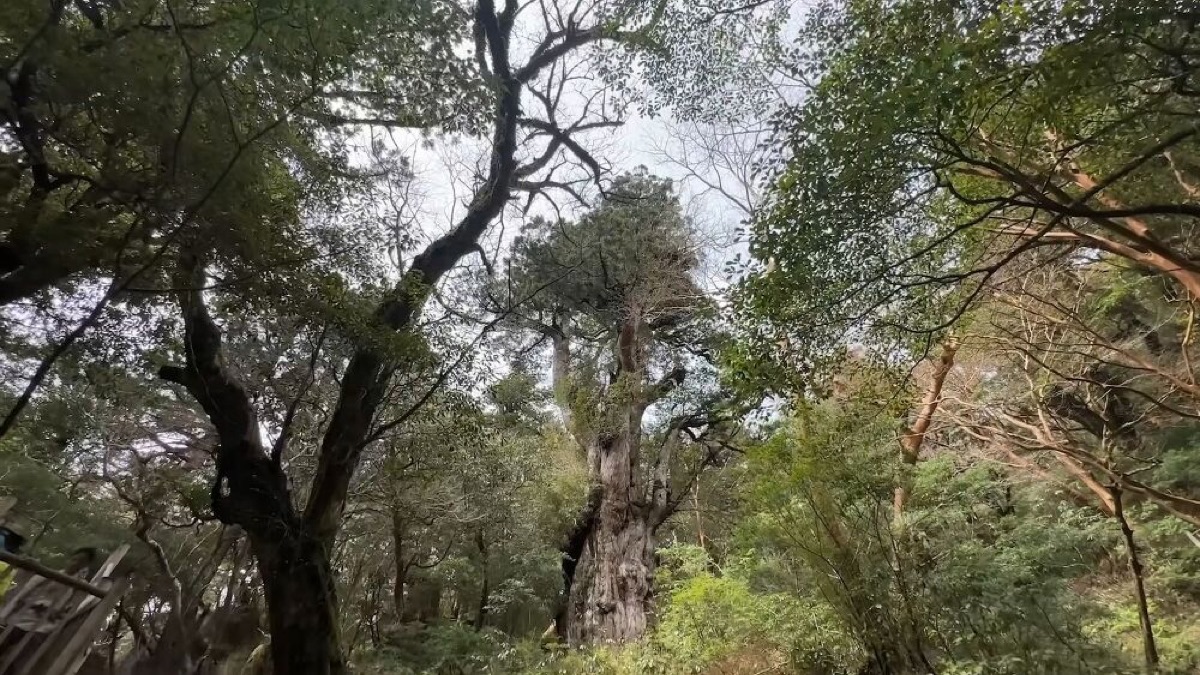
After spending some time there, we slowly made our descent, and it was so much more enjoyable without the crowds.
On the way down, we stopped at three memorable spots:
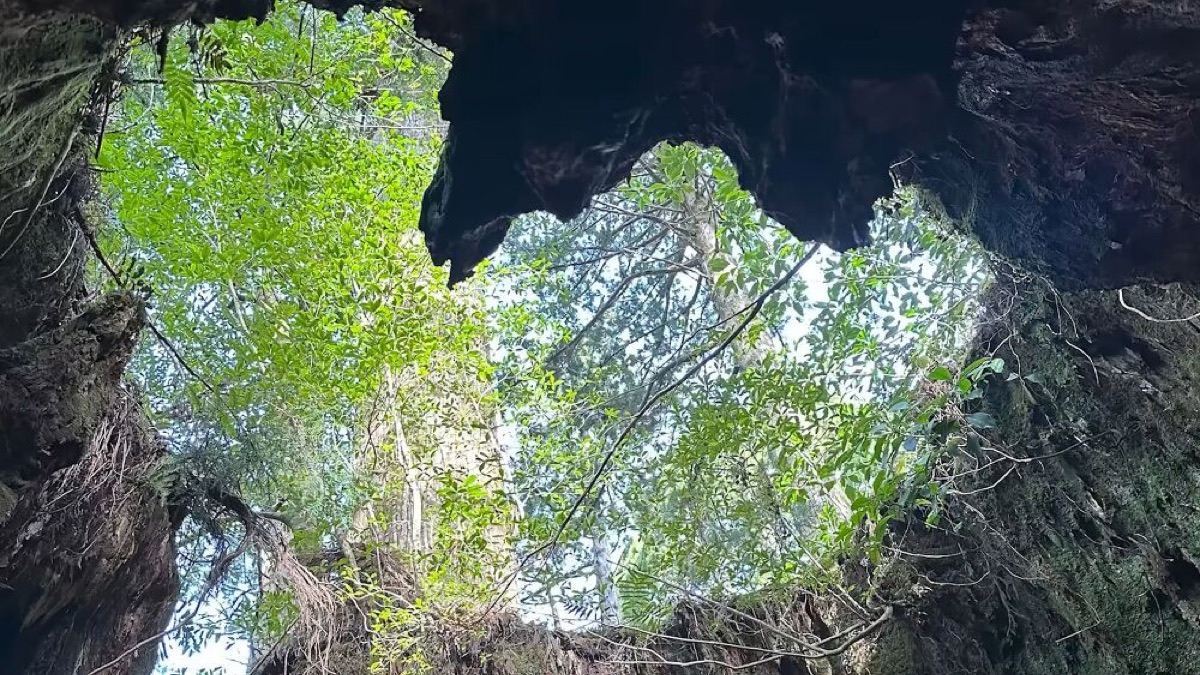
- Heart Stump: A sacred-looking stump that, when viewed from a certain angle, forms the shape of a heart. It’s a great spot for couples (or solo adventurers like me!).
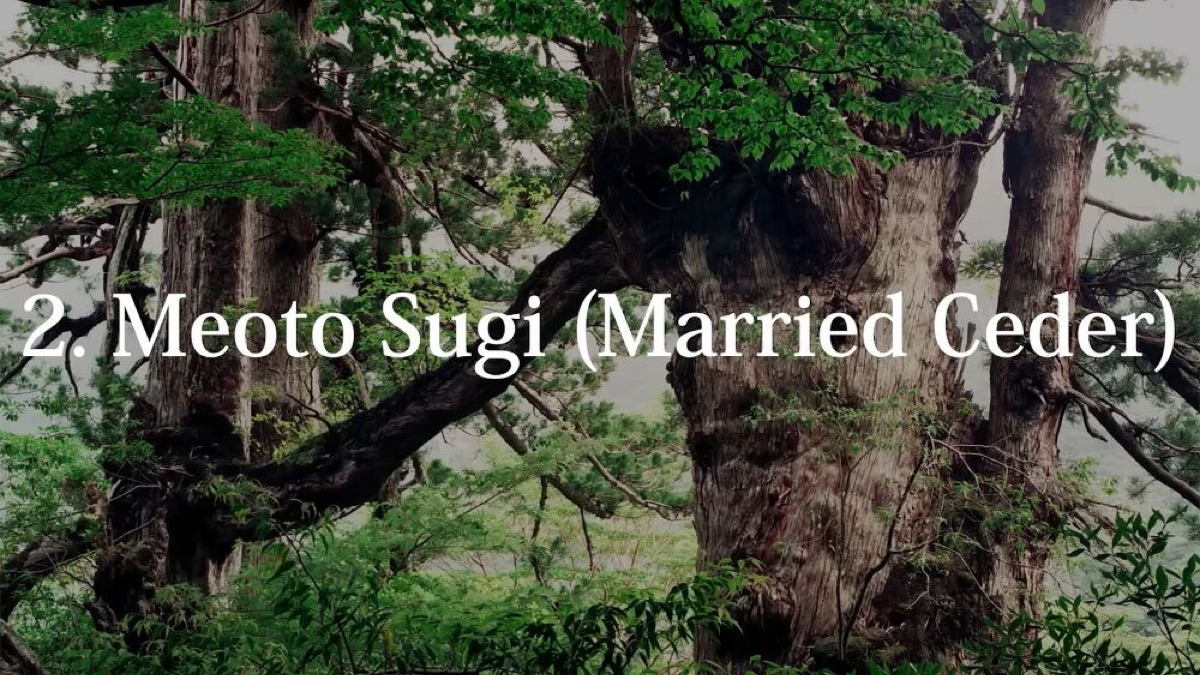
- Meoto Sugi (Married Cedar): Known for its legend that taking a photo here will bring marriage. We had some fun with this one!
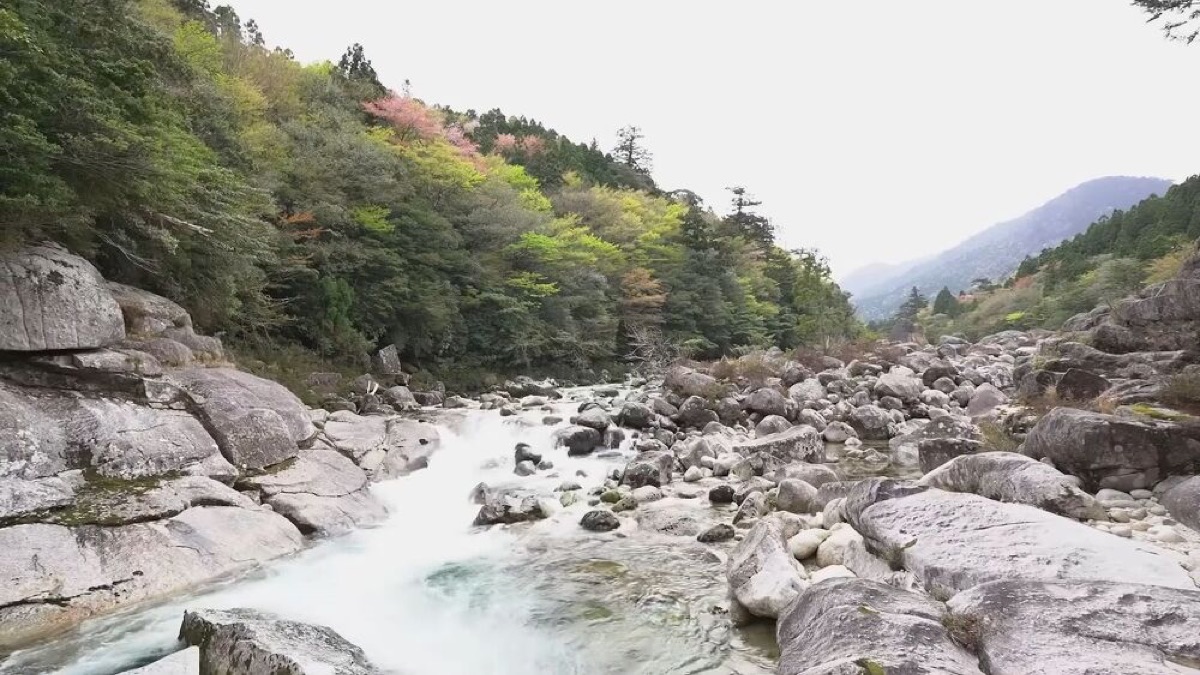
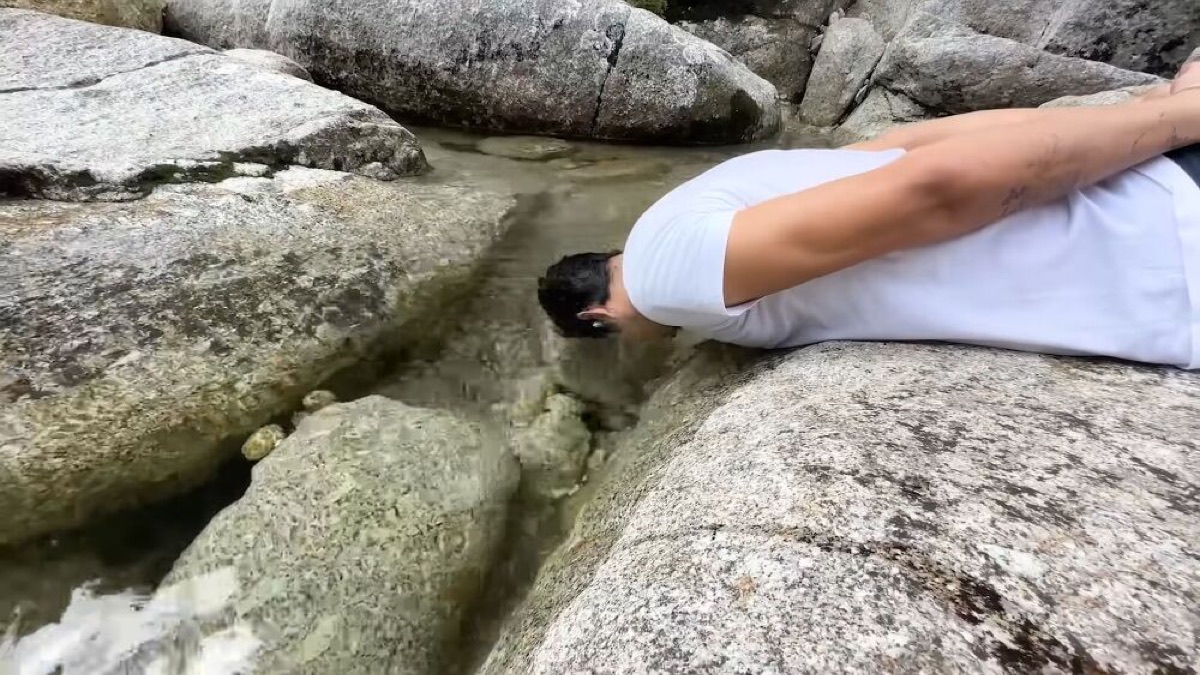
- The Secret Spot: A serene river, where I refreshed myself by drinking from the crystal-clear water. It was incredibly soothing.
Rejuvenation and Reward
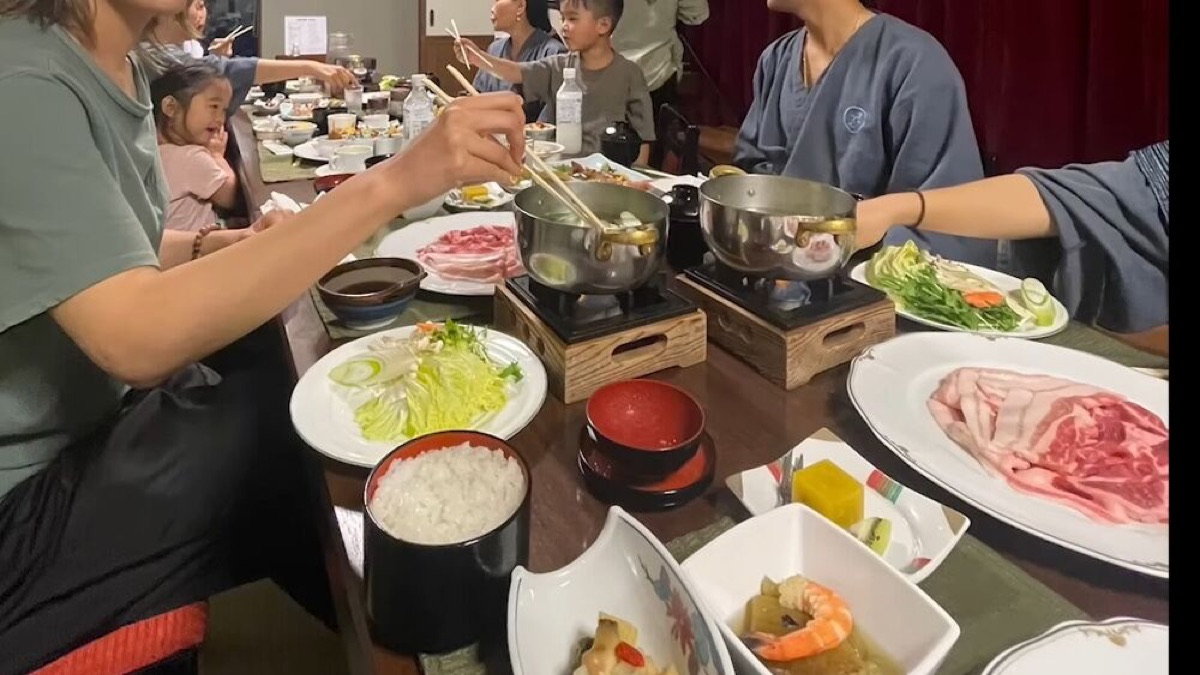
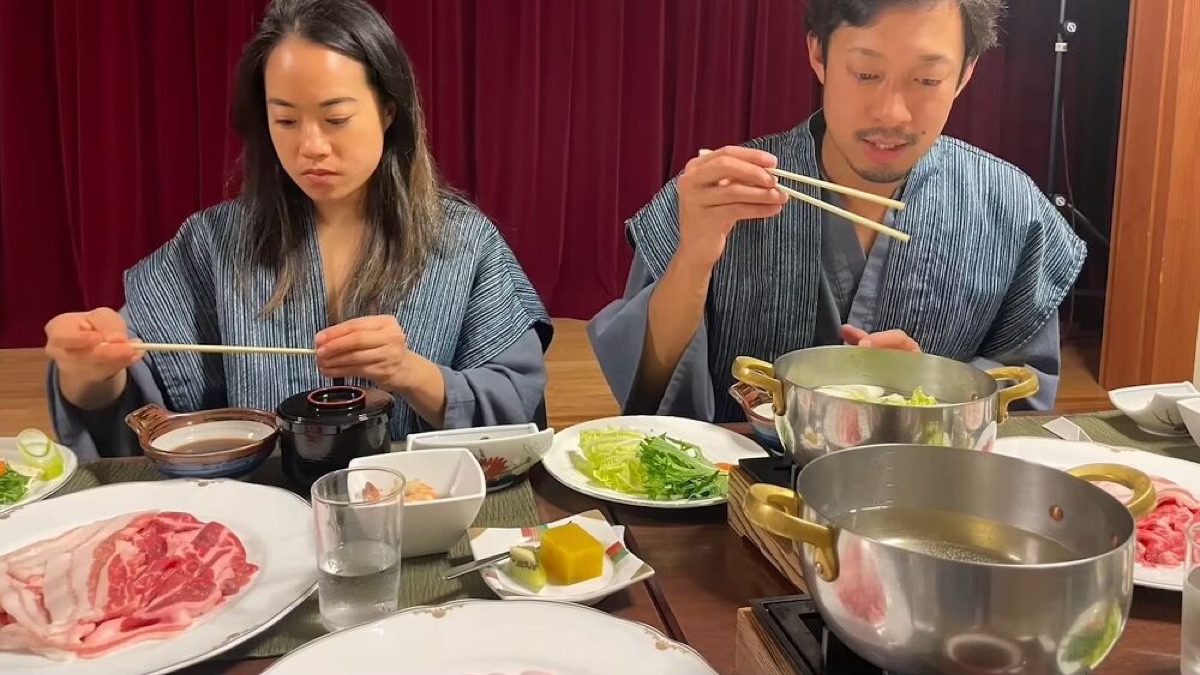
After the hike, we treated ourselves to one of the best dinners I’ve ever had—absolutely perfect after a long day of trekking.
Souvenir Shopping and Farewell
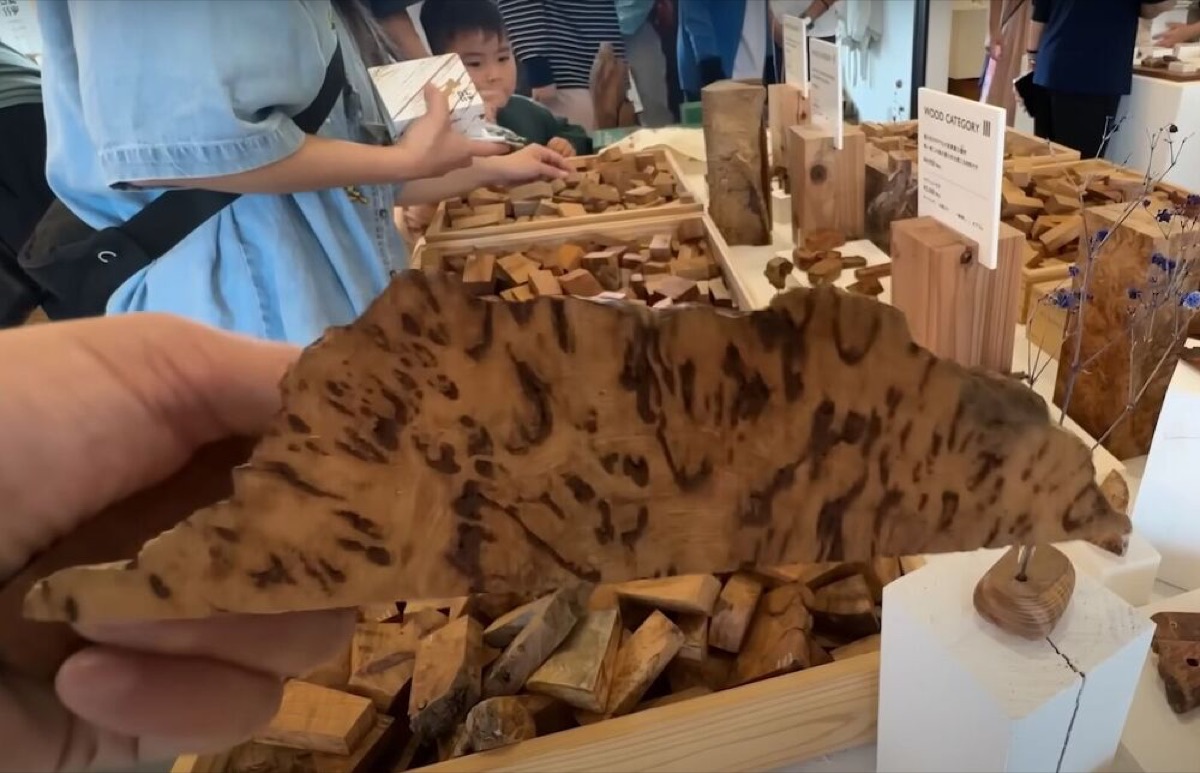
Before we said our goodbyes, we stopped by a souvenir shop where they sell unique Yakusugi (Yakushima cedar) items.
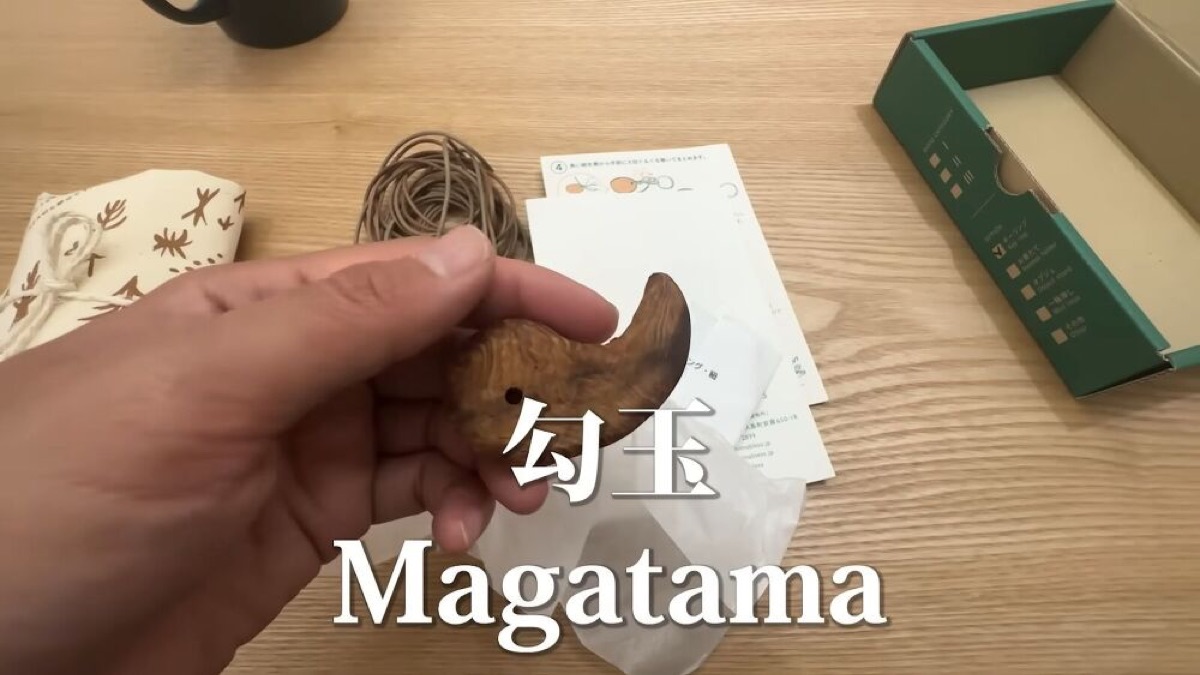
I chose to carve a magatama, a traditional curved jewel, from the cedar. The scent of the wood, which is rich in oil due to the island’s heavy rainfall, is a beautiful reminder of Yakushima’s wild beauty.
Saying farewell was bittersweet. We had arrived in tears, but we left with smiles, grateful for the experience we’d shared.
I know I’ll return one day, as Ashitaka, the character from Princess Mononoke, and I can’t wait to experience this magical place again. Until then, goodbye, Yakushima! I’ll see you next time.
Thanks for reading and watching! If you ever get the chance to visit, I hope my journey has inspired you to experience Yakushima for yourself.
Pin this post for later:
M
Margaret Oyelaran
Senior editor; 60 countries and counting.
Related guides
Travel Craft Travel Craft
6 Genius Travel Hacks You Haven’t Thought Of Yet
 Travel Craft