 Travel Craft
In this video, Gary Bembridge of Tips For Travellers walks through five things he'll never do again on a cruise.
The list covers how you research a ship, how you keep cutting costs after booking, how loyalty plays out, how you spend a port day, and how you book in the first place.
They're practical changes, and they apply whether this is your first cruise or your fortieth.
1. Skipping the Research on a Ship You Think You Know
The biggest mistake is assuming experience replaces homework.
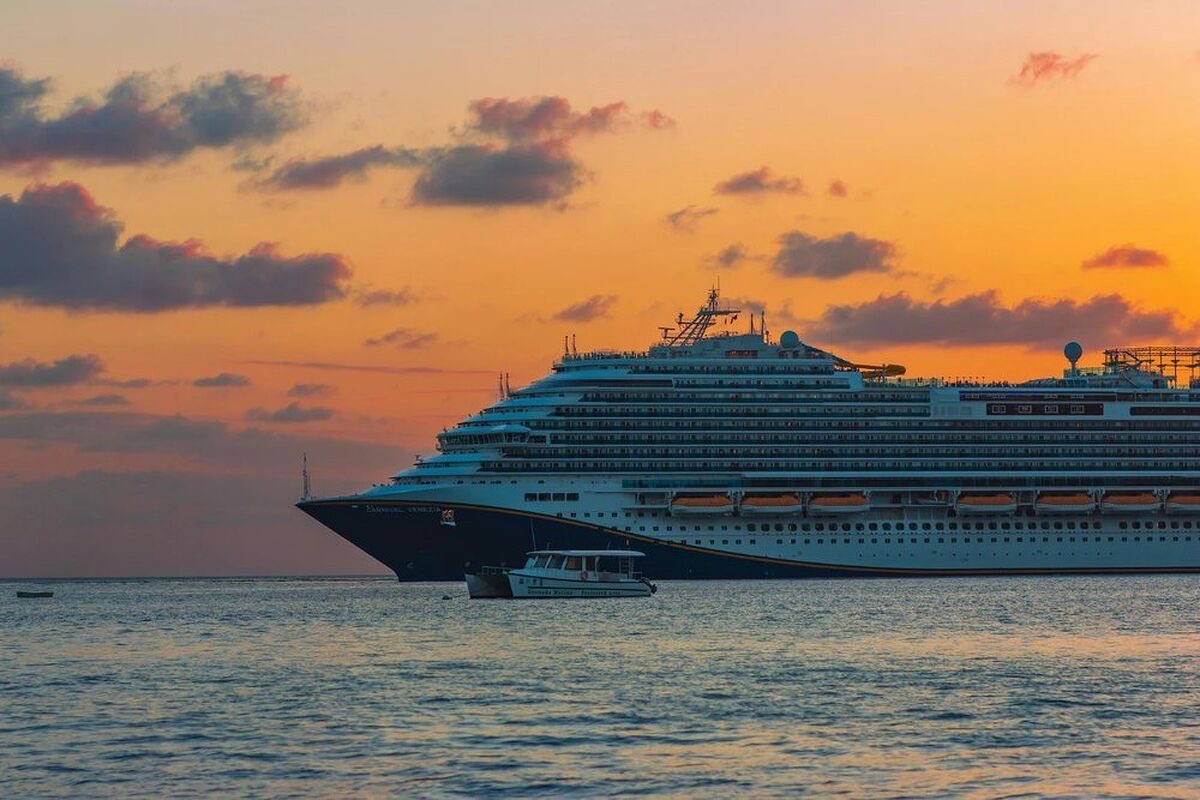
Bembridge booked Windstar's Wind Surf for a sailing-ship experience and made a costly guess, because it's a sail-assisted motor yacht where the sails cut fuel and boost speed rather than power the ship.
He wasted the money, and he still hasn't had the true sailing experience.
Treat every cruise like your first.
Cruise lines keep changing what's included in fares and packages. Celebrity Cruises cut perks from its Premium Access Package in the space of six months, dropping the embarkation lunch and reserved theatre seating.
Ships change too
Holland America's Oosterdam lost The Retreat, swapped a favourite bar for a casino, ended a classical music partnership, and changed its specialty dining from Rudi Sodamin to Morimoto within nine months, then added solo cabins, a Grand Dutch café, and a revamped pool deck a year later.
Regent Seven Seas Splendor added evening casual dining and is reconfiguring capacity and cabin grades. Cunard and Celebrity have said they're reworking existing ships as well.
2. Treating a Good Deal as the End of the Savings
Grabbing a cruise on a good deal isn't where the cost-cutting stops. Fare price tracking lets you ask the line to match a lower price if your cruise drops after booking.
Referral schemes pay off too. New-to-Silversea cruisers naming a referrer took $2,000 off one upcoming Silversea cruise, and a Crystal referral earned an extra 5% off a repositioning sailing.
In the US, AARP membership unlocks extra discounts on many lines, nurses and first responders qualify for their own discounts, and travel-industry workers, including airline crew and travel agents, get heavily discounted interline fares.
Status matching stretches the savings further.
Gold status with Regent matched to sister line Oceania delivered $600 in onboard credit. Matching Celebrity status to Royal Caribbean brought daily drinks coupons, which removed the need for a pricey drinks package.
Holding shares in cruise groups adds onboard credit, too.
3. Staying Loyal to One Cruise Line
Sticking with a familiar line feels like the safe choice, and it ended up costing a lot.
Bembridge spent years booking straight from P&O brochures, then Cunard, and missed similar trips with more ports, better cabins, and more upmarket lines for much less.
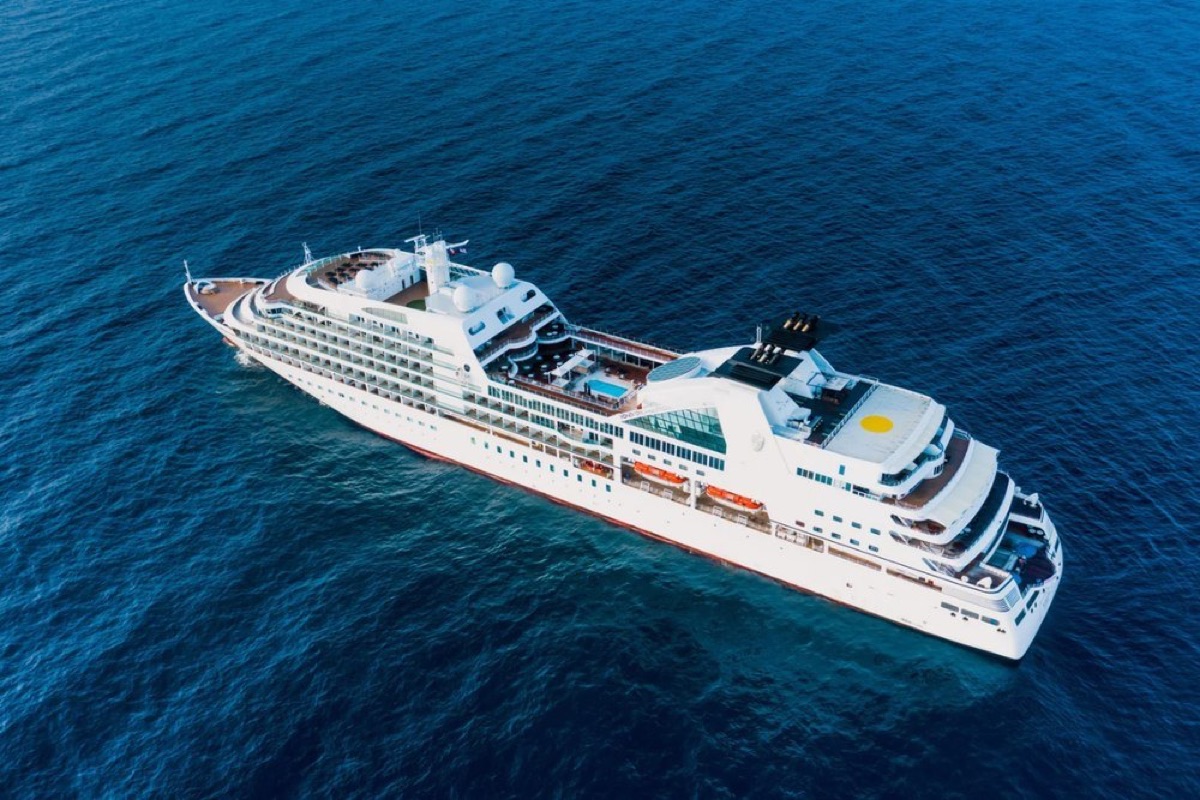
Switching lines usually costs less and shows you more. Smaller ships like Azamara and Windstar reach the heart of ports like Marseille and smaller Greek islands that bigger ships can't access.
On a Queen Mary 2 trip through Asia, the ship docked miles from central Shanghai and Ho Chi Minh City, where a smaller ship would have sat in the thick of the city.
Loyalty programs rarely justify the cost. Reaching Cunard's top tier delivered small discounts, one free specialty dinner, and some free Wi-Fi; none of it a match for the savings of moving between lines.
4. Cramming Every Port With Must-Sees
The tick-box mentality, packing Rome into a day or Florence and Pisa into one trip, delivers bus time and photos rather than memories.
Cruise-line tours run on tight schedules built around seeing as much as possible, with little chance to meet locals or try local food.
Focusing on one or two things makes a port memorable.
- In Kuala Lumpur, a taxi driver's tip led to better city views than the Petronas Towers, then a metro ride turned up a food market.
- In Tokyo, self-exploring the metro led to pachinko parlours and local food ordered by pointing at menu images.
For independent exploring, YouTube port videos show the ropes and the traps.
When logistics look daunting, independent guides through sites like ShoreExcursionsGroup.com, VentureAshore.com, Viator.com, and ToursByLocals.com fill the gap.
Reserve cruise-line excursions for distant sights like Paris from Le Havre or Kyoto from Kobe.
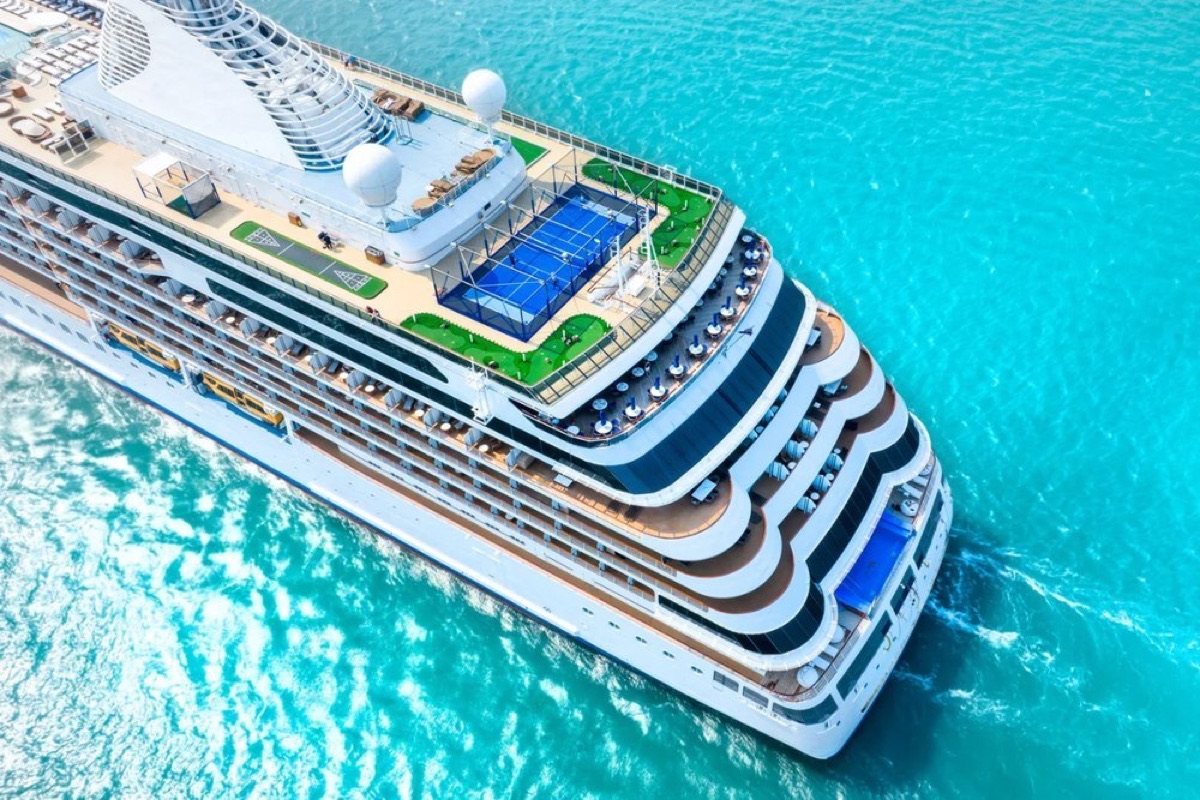
5. Booking Direct With the Cruise Line
Booking direct seems like the way to the best price. It isn't.
Agents are never more costly, accounting for at least 70% of bookings, and lines hand them blocks of cabins to clear at fares they won't advertise publicly. Many add onboard credit or amenities.
Agents also fix problems. One secured over a thousand dollars off after an Azamara price cut, and they'll confirm visas and eTAs so you aren't denied boarding.
B
Benedict Shaw
Rail and cruise specialist.
Related guides
Travel Craft America
The 10 Best Historical Destinations in the United States
 Packing Wisdom